Factors to Consider Before Installing an In-Ground Pool
Adding an in-ground pool to a home is more than just a backyard upgrade—it's an investment in lifestyle, entertainment, and long-term property value. A pool can transform ordinary outdoor space into a personal retreat, offering relaxation, fitness opportunities, and a gathering spot for family and friends. From quiet mornings floating under the sun to lively summer parties, a well-designed pool provides enjoyment for years to come.
However, installing a pool involves much more than selecting a shape or picking a finish. It requires careful consideration of multiple factors, including budget, site selection, design, safety, and ongoing maintenance. Without proper planning, costs can quickly escalate, safety risks can arise, and long-term satisfaction can be compromised. Understanding these considerations in advance allows homeowners to make informed decisions and get the most value from their investment.
This guide highlights the critical aspects to evaluate before moving forward with an in-ground pool. By addressing each factor thoughtfully, homeowners can create a backyard oasis that is safe, functional, and visually appealing, while also complementing the home's overall design and landscape. From practical budgeting tips to design inspiration and safety considerations, the following sections provide a comprehensive roadmap.
Planning the Budget and Long-Term Costs
Budgeting is the first step when adding an in-ground pool. Installation costs vary widely depending on location, pool size, material choice, and features such as waterfalls, lighting, or custom landscaping. Obtaining multiple estimates from reputable pool contractors can help identify realistic costs and prevent financial surprises.
Long-term maintenance must also be included in the budget. Pools require regular cleaning, chemical balancing, and equipment upkeep. These ongoing costs may surpass the initial installation cost over time, particularly when factoring in equipment replacement or resurfacing. Setting a monthly and annual budget for maintenance helps keep expenses predictable while protecting the investment.
Evaluating potential property value is another aspect of financial planning. An in-ground pool can increase home appeal and resale value, but this depends on the local real estate market, buyer preferences, and the pool's condition. Discussing design choices and features with pool contractors can help homeowners balance aesthetics, functionality, and long-term value.
Selecting the Site and Preparing the Property
Choosing the location for a pool affects both its functionality and appearance, making it one of the most important early decisions in the planning process. Local building codes often dictate how close a pool can be to property lines, utilities, and existing structures, such as sheds or patios. These regulations are in place to protect both homeowners and neighbors, and failing to comply can result in costly fines or delays. Collaborating with experienced pool contractors helps navigate these requirements, streamlines the permitting process, and minimizes the risk of legal complications or construction setbacks.
Beyond regulations, the physical characteristics of the property play a major role in construction feasibility. Soil quality, terrain, and overall stability influence both safety and cost. For example, clay or sandy soils may require additional reinforcement or excavation, while sloped or uneven terrain could necessitate retaining walls, grading, or terracing to create a level pool area. Conversely, a flat, stable section of yard reduces construction challenges and can save both time and money.
Environmental and natural factors should also guide pool placement. Maximizing sun exposure helps maintain warmer water temperatures, which can reduce the need for pool heating systems. Conversely, strong wind corridors may require windbreaks or strategically placed landscaping to reduce debris accumulation and enhance comfort for swimmers. Shaded areas, whether natural or created with pergolas or trees, can provide relief during hot summer afternoons and improve usability throughout the day.
Homeowners should consider how the pool's location integrates with the overall backyard layout. Accessibility from the house, proximity to outdoor living spaces, and views from key vantage points all contribute to both enjoyment and aesthetics. According to HomeAdvisor, constructing an in-ground pool usually takes around 2 to 3 months, from securing permits to being ready for use—a timeline that can vary depending on site conditions, design complexity, and selected features. Planning the site carefully at the outset helps create a pool that is both visually appealing and fully functional, avoiding costly modifications later on.
Choosing the Design and Pool Features
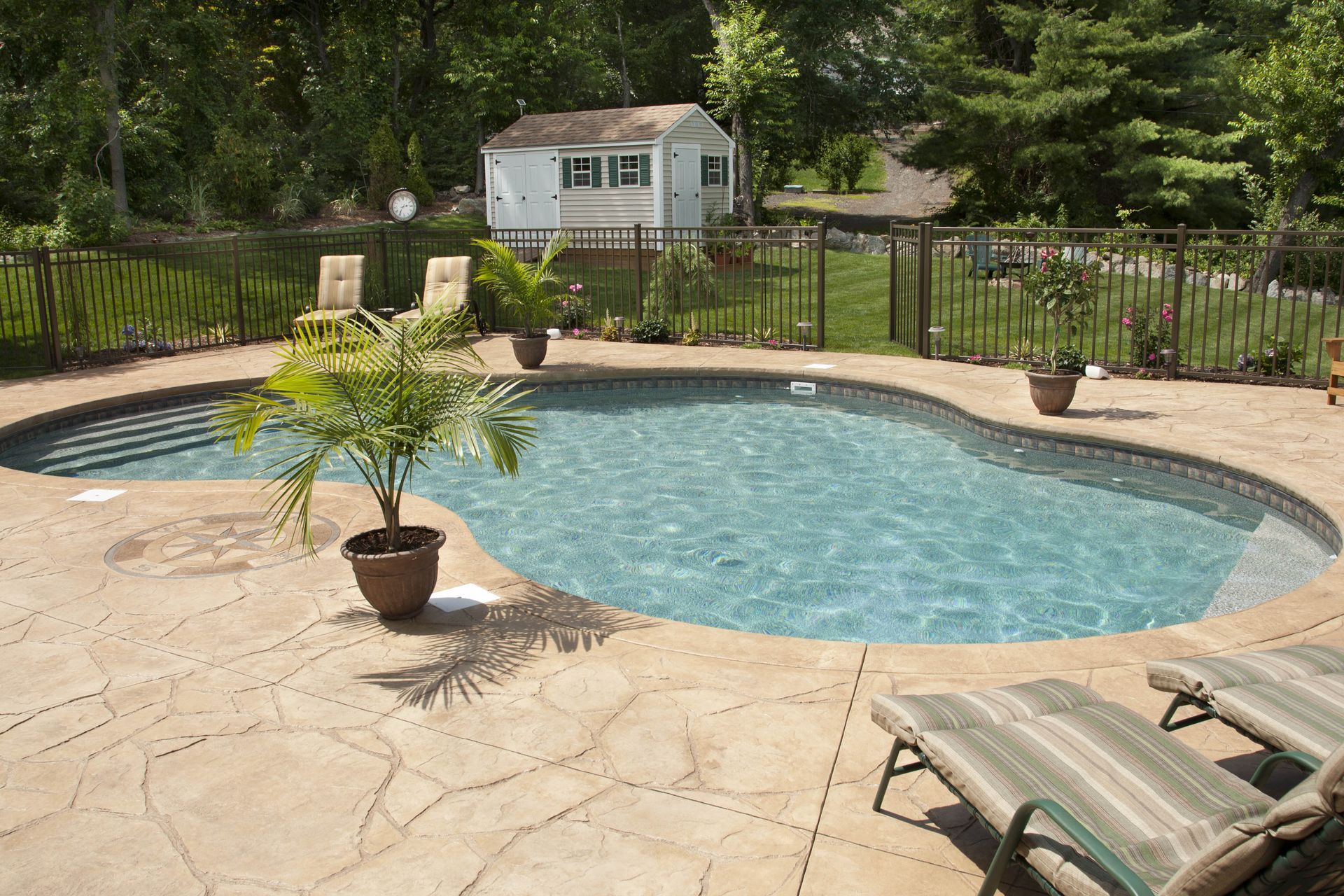
The design of a pool should combine functionality with visual appeal. Shape, size, and material choice all impact usability, durability, and maintenance. Rectangular pools are practical for swimming and games, while free-form designs blend naturally with landscaping. Concrete pools offer customization and long-lasting durability, while fiberglass and vinyl options reduce installation time and maintenance requirements.
Additional features such as waterfalls, lighting, and landscaping can transform a pool into a backyard retreat. These features should be considered carefully, as they affect long-term upkeep and compatibility with future upgrades. Working with pool contractors can help integrate these features so the pool complements the home and surroundings.
Implementing Safety Measures and Managing Liability
Safety is critical in pool ownership. Fencing, barriers, and gates protect children, pets, and guests and are often legally required. Pool covers and alarm systems provide extra protection, alerting homeowners to movement in or around the pool area. These measures reduce risk and can influence home insurance coverage.
Homeowners should also consider liability issues and review insurance policies when adding a pool. Policies vary in coverage for accidents, so adjustments may be necessary. Experienced pool contractors can advise on safety measures and construction methods that meet local standards and support overall liability management.
Managing Maintenance and Seasonal Upkeep
Regular maintenance is key to keeping a pool safe and inviting. Cleaning, chemical balancing, and water quality checks prevent algae growth and maintain clarity. Pool owners can handle these tasks personally or hire professional services, depending on preference and availability.
Seasonal maintenance also affects pool longevity. Proper winterization protects plumbing and equipment from freeze damage, while opening procedures in spring prepare the pool for use. Pool pumps, heaters, and filters require periodic inspection and eventual replacement. Tracking the condition and lifespan of equipment helps avoid unexpected repairs and downtime. Coordination with pool contractors can streamline these processes and maintain the pool's long-term performance.
Considering Environmental Impact and Health Benefits
Modern pool design often includes environmentally conscious practices. Covers reduce water evaporation, energy-efficient pumps and heaters save electricity, and eco-friendly filtration systems minimize chemical use. Saltwater pools are a popular alternative to traditional chlorination, offering sanitation while reducing chemical exposure.
Installing an in-ground pool is a major undertaking that requires careful thought, planning, and coordination. By considering factors such as budgeting, site selection, design, safety, maintenance, and environmental impact, homeowners can make decisions that maximize both enjoyment and long-term value.
Safety should remain a top priority, not just for legal compliance but for peace of mind, while consistent maintenance preserves the pool's condition and prevents costly repairs over time. Integrating eco-friendly practices and thoughtful design elements can also enhance sustainability and reduce ongoing operational costs.
By approaching pool installation with a comprehensive perspective, homeowners can create a backyard retreat that meets both aesthetic and functional goals. Proper planning and collaboration with skilled
pool contractors can make the process smoother, helping to balance ambition with practicality and delivering a pool that is both beautiful and long-lasting. Transform your backyard into a personal oasis by contacting Acapulco Pool and Spa LLC today and start planning the perfect in-ground pool for your home.


Share On: